
Oscars continue habit of underrecognizing the horror genre
Though horror films received the spotlight throughout awards season, there were worthy projects ignored by The Academy.
By Ella Walken
As awards season comes to a close, it’s important to acknowledge the fallen soldiers of this cycle. In a year of “Sinners” and “One Battle After Another” domination, many masterpieces were left by the wayside, robbed of their deserving moment in the critical spotlight.
Unfortunately, The Academy and other awards bodies have a long, unfortunate history of ignoring the horror genre. Despite the consistent recognition of “Sinners” and “Weapons” by a multitude of awards bodies this year, there is still a long way to go in terms of properly honoring horror films.
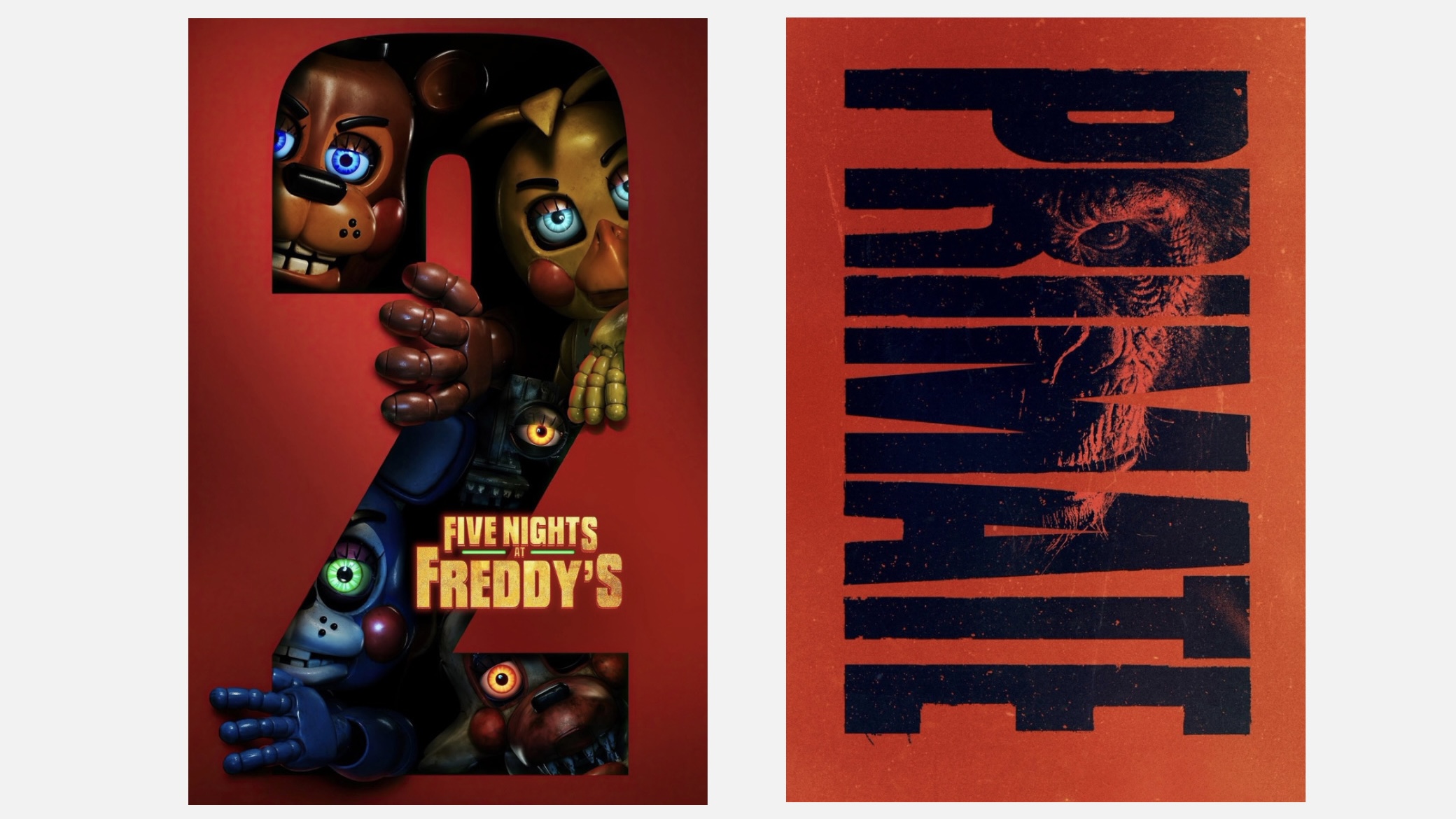
One horror film that didn’t receive its due recognition is “Five Nights at Freddy’s 2”, the creatively named sequel to the 2023 film “Five Nights at Freddy’s.” The film picks up about two years after the events of the first, introducing a new cast of animatronics housing the spirits of dead children.
Perhaps the most moving moments of the film occur when the revamped Chica (also known as Toy Chica) brutally murders a mean teacher in order to possess the spirit of a child. It should’ve been Toy Chica who swept the 2025/2026 awards season in an unprecedented fashion, not Jessie Buckley for “Hamnet.”. She joins the ranks alongside Toni Collette for masterclass horror performances overlooked by The Academy.
Toy Chica, who is inexplicably curvier than a Coke bottle, gives a performance grounded in the realism only rivaled by the likes of Gena Rowlands in “A Woman Under the Influence.” Perhaps she will receive her overdue recognition in the third installment of the series.
Another horror film neglected by The Academy was the absolute smash hit and critical success, “Primate” directed by Johannes Roberts, best known for decades of making horror films with a 2.6 average user rating on Letterboxd.
The film follows a group of teenagers over the course of a long, horrible night in which they are tormented by Ben, their pet chimpanzee. “Primate” chooses to illustrate an extremely realistic portrayal of how rabies develops. Ben becomes rabid almost instantaneously, which is definitely how rabies actually works.
Not only is the scientific accuracy in the development of the disease commendable; but the rabies also make Ben behave in ways that are hauntingly realistic. A once highly socialized chimpanzee becomes an all-out sadist, using every possible tool at his disposal to kill his friends in the most gruesome ways possible.
Hopefully in the future, The Academy, Golden Globes, Critics’ Choice awards and more will give horror films their due recognition.