
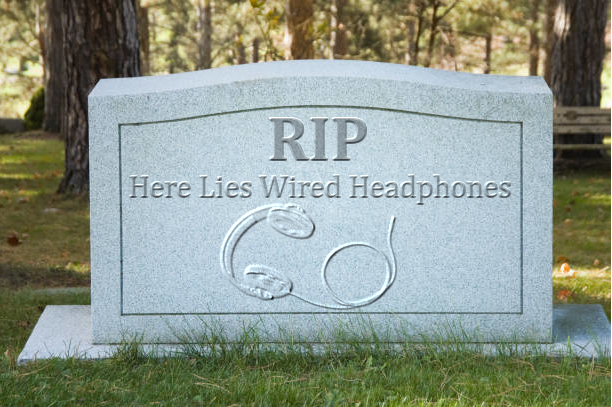
The inconvenient consequences of Bluetooth headphones
Bluetooth headphones are loved for their convenience, but these wireless devices come with their own disadvantages and harmful impacts on the environment.
By Jake Boyette
Bluetooth headphones can feel like the perfect everyday accessory for listening on the go. They free us from the entanglement of wires and give us the opportunity to move freely around a space without being tied to our phones.
These headphones became popular in 2016 due to the removal of the headphone jack on the iPhone and the unveiling of the Apple AirPods, according to Tech Radar, cementing the takeover of the personal audio landscape with these wireless headphones.
However, as convenient as wireless headphones are, they have much more significant drawbacks than conventional wired headphones. Wireless headphones, as much as they have improved over the years, still cannot provide the same audio quality as wired headphones, which allow for lossless audio.
Even with some advanced audio compression algorithms like Sony’s LDAC algorithm, which delivers high-resolution sound, they still cannot produce lossless audio and it is still compressed despite delivering higher bitrates, according to Sound Guys.
This issue affects people who enjoy listening to music with their wireless headphones. As a Bluetooth user, I’ve experienced this loss of sound quality, even after downloading lossless audio files, which should preserve the original audio information. Lossless audio should give me the best audio in its original state, but without wired headphones, it gets compressed through Bluetooth, making downloading a lossless file not even worth it.
There are some people who won’t care about getting perfect high-resolution audio for their music. Many people using Bluetooth headphones aren’t audiophiles who need the best out of their audio system. This is seen with headphone and earphone sales remaining steady, as Apple dominates the market with its AirPods being used by 34% of users using Apple’s products, according to Statista.
This domination, however, was manufactured by Apple with the removal of the headphone jack. Despite Apple’s claim that the decision took supposed courage in order to challenge tech and better everyone’s experience, according to Business Insider. Rather, the removal of the headphone jack is a calculated business decision.
After the headphone jack was removed, there were two options, which were either to use the headphone jack adapter that attaches through the charging port or to use Bluetooth headphones.
This is precisely what Apple wanted. Company sales were boosted and the Apple-owned headphone company Beats’ wireless headphone sales increased from the decision, according to Sound Guys.
This lack of freedom to choose between wired and wireless is troubling, as people are increasingly coerced into using Bluetooth, making it harder to use wired headphones.
Despite Bluetooth’s convenience, it also has a much shorter shelf life than wired headphones, according to Battsys. The lithium batteries used in most Bluetooth headphones only last between two to three years with constant use.
These batteries could be replaced with new lithium batteries, but wireless headphone companies like Apple make it even harder. AirPods are closed shut, making it impossible to replace the battery without damaging the headphones, according to Vox.
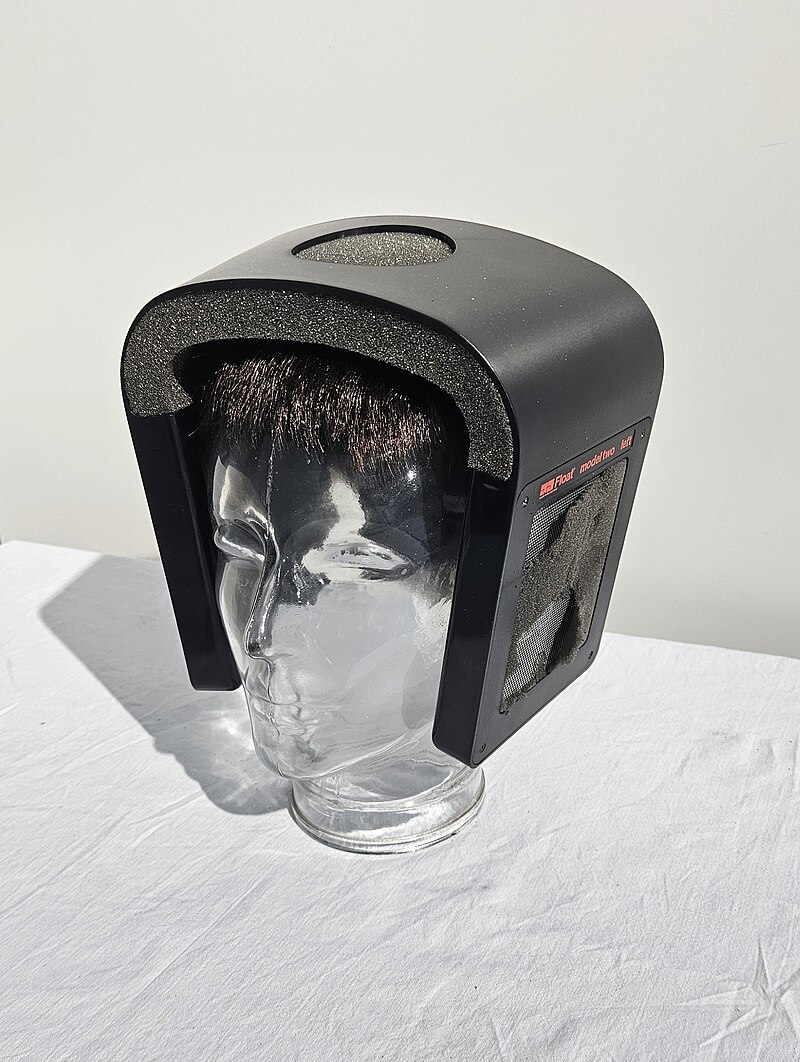
Wired headphones don’t have this problem at all, using the device it’s connected to for its source of power. This dramatically increases its lifespan, especially with proper care. There are still headphones from the 1970s, like the Jecklin Floats that still work and sound great.
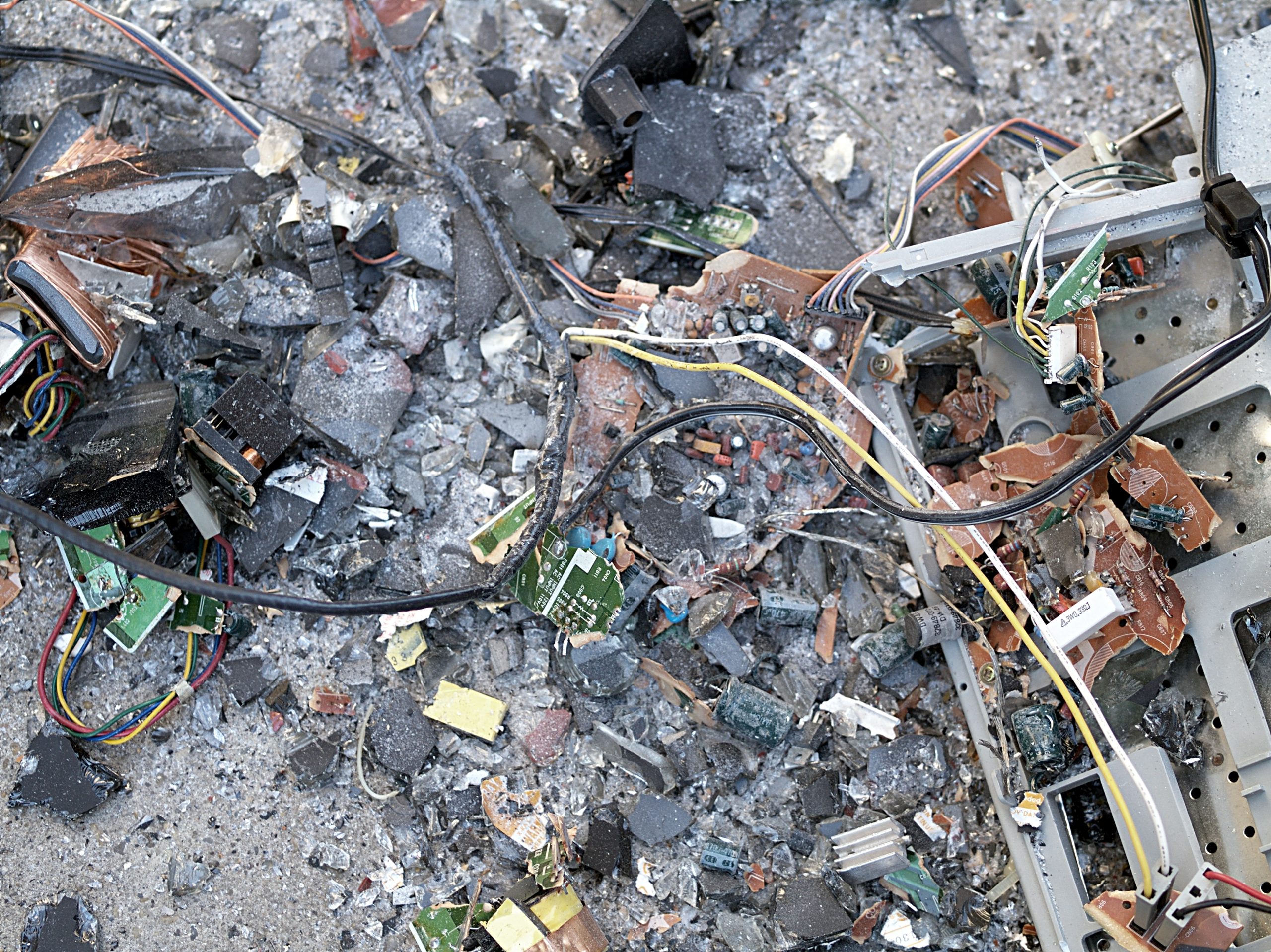
Bluetooth devices are destined to become e-waste and pollute the environment, according to Earth 911. Nearly 7.8 million tons of e-waste is disposed of each year. The disposability of these wireless headphones only adds to this increasing pile of e-waste.
Lithium batteries can burn in open air, lighting other flammable materials, pieces of trash in a landfill and release toxic pollutants into the air. In some recovery efforts, open-air burning and acid baths are used to recover valuable, rare elements, but also release pollutants in the air and bleed into the ground, according to the Geneva Environment Network.
E-waste is not biodegradable and few green recycling plants even attempt to recycle the e-waste, with 15% of it actually being recycled, according to Earth 911.
Lithium mining itself is also extremely damaging to the environment. Lithium is mined in salt water through pervasive brine mining. This puts the water sources in an environment at increased risk of pollution, while the processing of materials also pollutes the air, according to Earth Org.
Wired headphones also have these issues to some extent, especially as people throw away items that could have been easily repaired. However, without the need for lithium batteries, they pose a significantly lower risk of adding more harmful pollutants to the environment.
Sadly, there isn’t much to do about the issue of wireless headphones. The ease and convenience of not dealing with wires and being able to take them everywhere trumps the simplicity of wired headphones.
Most phone companies have taken the headphone jack out of their smart phones, so we are locked into using Bluetooth headphones without adapters or just sticking them in our computers.
The e-waste problem has good news, as countries like China are pushing to capitalize on recycling rare and valuable materials, according to the World Economic Forum.
However, wireless devices still cannot stack up to wired headphones. My only hope would be that the headphone jack comes back to phones.
Before that can ever happen, when your Bluetooth headphones do eventually die, try to find better ways to recycle them. There are accessible e-waste recycling plants in Washington, with the Washington Department of Ecology offering resources to find one near you.
If we can’t avoid the environmental impact of wireless headphones, we can at least take steps to ensure their proper disposal.