
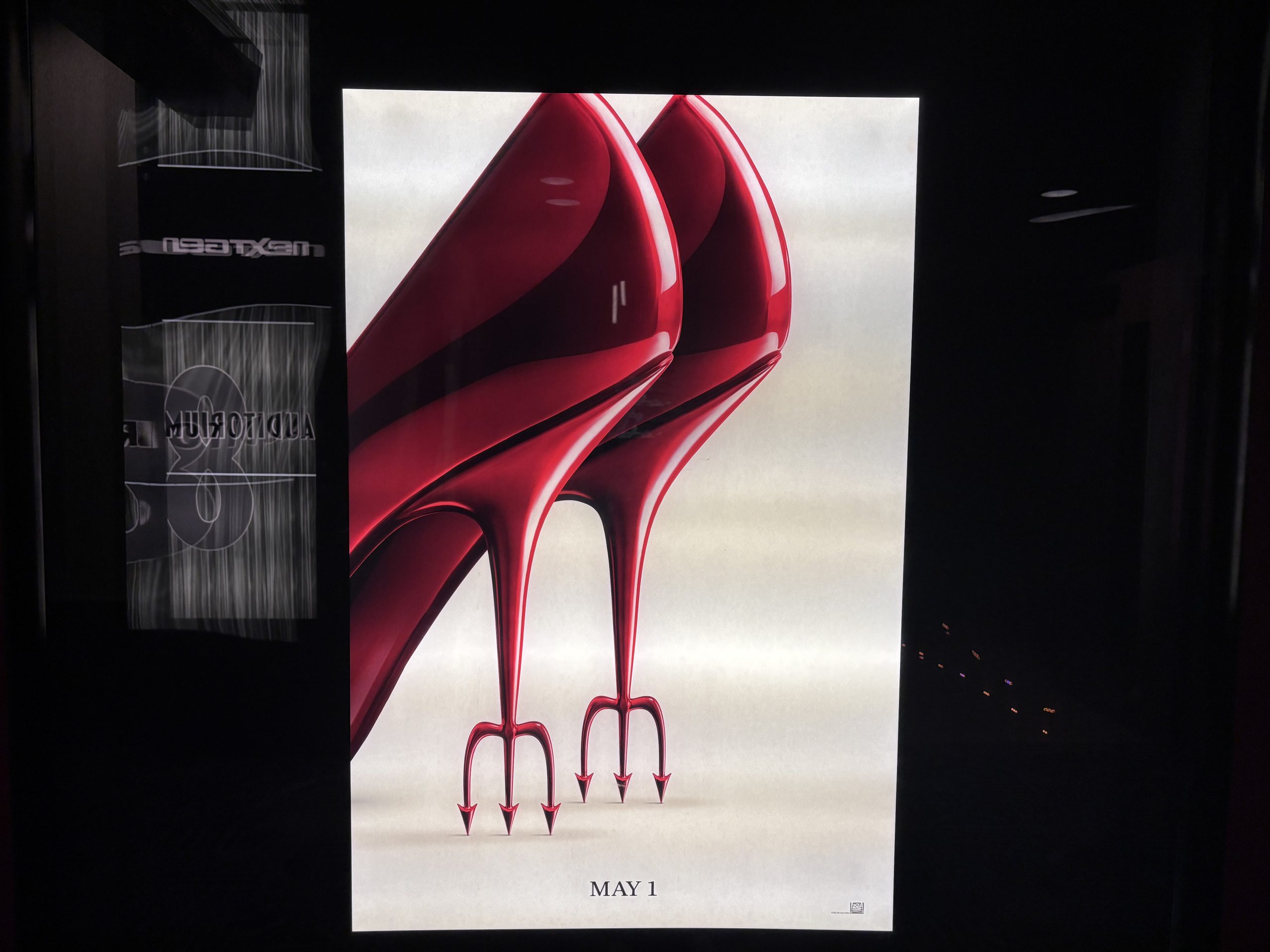
‘The Devil Wears Prada 2’ finds hope in journalism’s uncertain future
The sequel reflects fears about AI, media consolidation and the loss of true journalism, while showing how creativity can still survive in a changing industry.
By M.J. Cameron
“The Devil Wears Prada 2” was released on May 1 as a sequel to the 2006 film “The Devil Wears Prada.” The story takes place 20 years after the first film, as Andy Sachs, played by Anne Hathaway, loses her job at The New York Vanguard. Miranda Priestly, played by Meryl Streep, faces criticism after Runway collaborates with a brand accused of using sweatshop labor. To rebuild Runway’s credibility, Irv Ravitz, played by Tibor Feldman, hires Andy as Runway’s features editor without Miranda’s consent.
The plot shifts from restoring Runway’s reputation to determining the magazine’s future after Ravitz’s son, Jay, played by B.J. Novak, takes over Elias-Clark Publications and threatens to downsize Runway through cost cuts. When I watched the movie, it reflected how many journalists feel about modern-day journalism and the fears around it.
Throughout the movie, several moments show how digital journalism has changed the industry in subtle ways. In the beginning of the movie, Nigel, Miranda’s right-hand man played by Stanley Tucci, explains that nobody reads the print edition of Runway anymore, and the brand was forced into clickbait and short-form content. Miranda uncharacteristically struggles to navigate modern fashion compared to the first film.
As the plot shifts toward Runway’s future, Andy and Emily Charlton, played by Emily Blunt, persuaded Benji Barnes, Charlton’s boyfriend, to buy the company from Jay to save it. However, a later conversation between Miranda and Benji reveals that he plans to use AI to replace the creative work that defines Runway.
This moment hit me the most. The world continues to move deeper into digital media, and AI threatens creative jobs because companies see it as cheap and efficient. Every job listing and company I find has AI skills listed as a must, or an AI company is promoting a creative job such as content creation or writing, which makes me question the job itself.
“The Devil Wears Prada 2” reflects how media consolidation and AI threaten creativity and journalism, but it also shows how creativity can still survive in a world shaped by evolving technology.
The film ends with a hopeful vision for journalism’s future. Near the end, Andy and Miranda team up to find a competing buyer, whose purchase of Elias-Clark forces Jay to pull out of the deal with Benji and saves Runway.
The Ledger discussed its budget as a team earlier this year for the 2026-27 school year. While we chose not to include print funding, we allocated money toward areas that will help us grow as a publication, including podcast equipment and resources to hire a larger team. The Ledger team has worked consistently hard to improve the publication, and we continue to introduce new ideas as we move forward.
“The Devil Wears Prada 2” reminded me how working at The Ledger has given me hope for my career. Andy losing one job and nearly losing another reflects how many media workers feel today, especially during major layoffs at companies such as Disney and technology firms. However, the film also shows how temporary loss can guide someone toward the right career path.


