Chancellor Dr. Sheila Edwards Lange introduces campus master plan for UW
UW Tacoma’s proposed master plan focuses on growth, residential life and creating a more connected campus community.
By M.J. Cameron
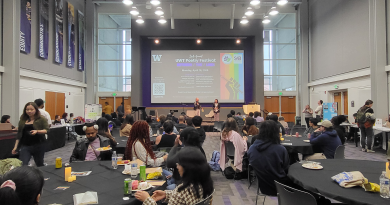
On March 3, UW Tacoma Chancellor Dr. Sheila Edwards Lange presented the campus master plan at the March town hall in Milgard Hall, room 110. The YouTube video was released on March 4.
The presentation outlined the planning process and the university’s long-term vision for campus growth, with a focus on revitalizing the campus core and creating more welcoming spaces meant to strengthen community.
Process
The planning included an engagement process of over two years, which included feedback from classes, faculty, staff, UW Tacoma’s councils, the Puyallup Tribe and students. The feedback included academic, campus life, residential and open space aspirations, such as an art program building and a dining hall.
This process is embedded into UW Tacoma’s 2025-2026 five-pillar strategic plan, which includes: expanding access for students, bold community, innovation, diversity, and vitality. UW Seattle, UW Bothell and UW Tacoma will do a new strategic plan coming out next academic year that will attempt to align with the three-campus plan.
However, UW Tacoma is limited by money due to state legislative priorities and will further be affected due to Washington’s 1.5% reduction in core higher education funding, according to the UW Homepage. Many of the master plan visions are capital projects that go through the state budget process, where they compete with the Bothell and Seattle campus for money from the legislature as each campus has separate budgetary demands. UW Bothell and UW Tacoma were created as regional campuses, which requires funding for growth to meet regional needs compared to UW Seattle’s need for research funding.
Vision
The master plan’s new vision for the campus includes a lot of green spaces with a prominent vista at the corner of 17th Street and Tacoma Avenue. Edwards heard feedback from the engagement process that the campus should move from being a commuter campus to a residential campus, which includes moving from Court 17 apartments to a full residential system and increasing student beds from 300 to 1,500. UW Tacoma’s enrollment is planned to double from 5,000 to 10,000, and once the campus is fully built up to Tacoma Ave, it will become a 24-hour campus.
The vision also includes new academic programs and moving student services to the core of the campus rather than being spread around. UW Tacoma’s vision is planned to be done within the next five to seven years.
Revitalizing Campus Core
The master plan includes the renovation of Swiss, Wild and Tioga. The Swiss closed during COVID and is currently boarded up. A proposal was placed to renovate the three sites to create the new heart of campus and move student services to the center. In January, UW Tacoma went to the legislature for this current plan, and Edwards said that all indicators point towards approval by the end of March.
Edward’s presentation included the housing and dining plan alongside renovations for Swiss, Wild and Tioga. In November 2025, the Board of Regents gave permission to select a housing developer to partner with building and housing. Lange is amid the process and has received eight proposals from prominent campus housing developers around the country.
They are currently down to four firms, and the firms’ proposals are due March 17. By May 15, one of the developers will be selected to begin negotiations on cost, design and performance with UW Tacoma.
In January 2027, they will go back to the Board of Regents to discuss the plan and cost for housing with the goal of entering a formal agreement with the chosen developer to build it. The timeline would open the new residence hall and dining facility in fall of 2029.
Campus Edges and Inviting Spaces
One piece of feedback Edwards received was that students and the community don’t know where the campus begins and ends, therefore they are planning to create markers and gateways. While creating this, Edwards said that the purpose isn’t to create barriers, and they want to create a welcoming campus footprint.
To create a welcoming campus, one of the plans is to create a micro forest planting on the corner of 17th Street and Broadway. This is currently in motion and is occurring in partnership with the Puyallup tribes to create indigenous planting. Edwards’ presentation also includes more public art as the campus gets more green spaces.
The campus master plan is intended to guide UW Tacoma’s growth into a more connected, residential and community-centered campus. While much of the vision still depends on state funding and future approvals, the plan outlines a long-term roadmap for expanding housing, renovating key buildings and creating clearer, more welcoming campus spaces.