
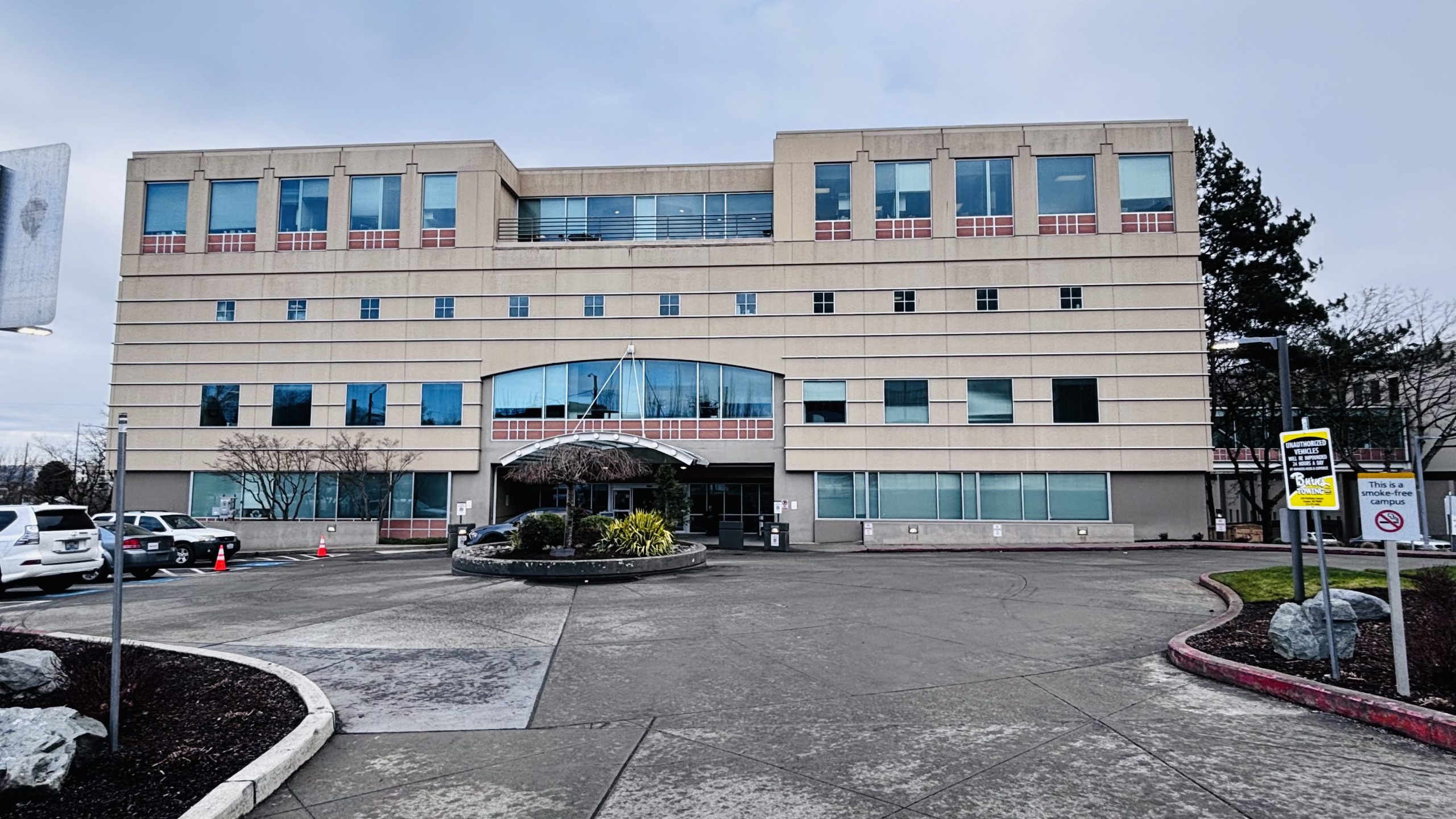
Mary Bridge closes their gender health clinic; UW Tacoma highlights resources and Trans Day of Visibility
As the Mary Bridge Hospital closes their gender health clinic, UW Tacoma highlights resources and campus event for LGBTQ students.
By M.J. Cameron
On Jan. 28, the Mary Bridge Hospital announced the closure of its gender health clinic, ending a key source of gender-affirming care in the South Sound and forcing hundreds of current patients to seek treatment elsewhere.
In September 2025, the hospital’s gender health clinic stopped accepting new patients for gender-affirming medical services. The closure will affect an estimated 320 current patients receiving gender-affirming hormone therapy, puberty blockers and other medications, and more than 150 families who were on a waiting list, according to Seattle’s Child.
MultiCare said it made the decision because of what it described as escalating federal actions targeting gender-affirming care for minors. Seattle’s Child reported that MultiCare attributed the closure to the Trump administration.
“Due to recent escalations at the federal level to eliminate medical interventions to treat gender dysphoria for minors nationwide, as well as investigations and significant penalizations of health care organizations that provide such care,” MultiCare said in a statement to Seattle’s Child. “The MultiCare Health System has made the difficult choice to close the MultiCare Mary Bridge Children’s Gender Health Clinic.
At UW Tacoma, the Psychological and Wellness Services (PAWS), said that they recognize the significant effect the closure of the gender affirming clinic has on not only those who have used it, but to the rest of the LGBTQIA+ community in and around the greater South Sound area.
“Access to healthcare is an essential part of overall wellbeing no matter who and where you are,” PAWS said. “At PAWS and Student Health, we continue to provide accessible and confidential mental health and medical services regardless of age, race, gender, and sexual orientation and are committed to serving our students here at UW Tacoma.”
Matthew Menchavez, UW Tacoma’s health promotions specialist and educator, said students can reach out to community providers and LGBTQIA resources, including Pride Point Health, the Rainbow Center, Cedar River Clinic and Planned Parenthood for gender-affirming care such as hormone therapy.
“While we are saddened by the closure of the gender affirming clinic at the Mary Bridge Hospital, we are committed to serving our students here at UW Tacoma no matter who they are.” Menchavez said.
PAWS offers general resources on their website for LGBTQIA+ students looking for mental health providers. This includes Mental Health Match, Psychology Today and Inclusive Therapists.
In addition to sharing alternative options for care, the CEI and UW Tacoma professor Ever Jones will mark Trans Day of Visibility on March 31 with an event focused on creative expression of transgender students’ stories and experiences. Planned activities include sidewalk chalk, crafting, a student art and poetry exhibition and open-microphone storytelling.
Trans Day of Visibility is observed to raise awareness about transgender people and celebrate their lives and contributions while drawing attention to disproportionate levels of poverty, discrimination and violence the community faces, according to the DubNet event promotion.

UW Tacoma’s event comes as families and individuals across the region adjust to the loss of a local clinic and begin transitioning care. The campus will continue directing students to on- and off-campus support and to community providers as access to gender-affirming care shifts in the South Sound.