The general election provides a chance to make student voices heard
Voting in the general election Nov 4th is one of the best ways to ensure candidates make it to the representative seat. But voting without researching your ballot can be riskier than not voting at all!
By Rae Watkins
The end of October means classes are in session, Halloween is coming and voting season is on everyone’s front page. But the weeks leading up to election day often leave enough time to forget about voting, procrastinate or wonder if your voice matters. A Tufts University Tisch College analysis shows that while youth (ages 18-29) voter turnout decreased for the 2024 cycle compared to 2020, voter participation in younger generations remains historically high.
Students sometimes think their votes don’t count, and their voices aren’t powerful enough to make real change. This is incorrect. Every vote counts, and when higher education and other social services hang in the balance, every vote is critical to advocating for access to education and opportunity.
Civic engagement is how we make our voices heard. It’s how citizens and civilians make real change without having to run for office or stand at city hall. People who can’t vote can help by campaigning, spreading information and awareness on issues and urging community members to contact and lobby their local governments to represent the issues that matter.
Voting in the general election is essential. It determines who goes on to represent us at the city, state, and even national level. Ultimately, if we don’t express what we want to see and who we want to see in office, someone is choosing for us.
Because of this, it’s important to know who you’re voting for.
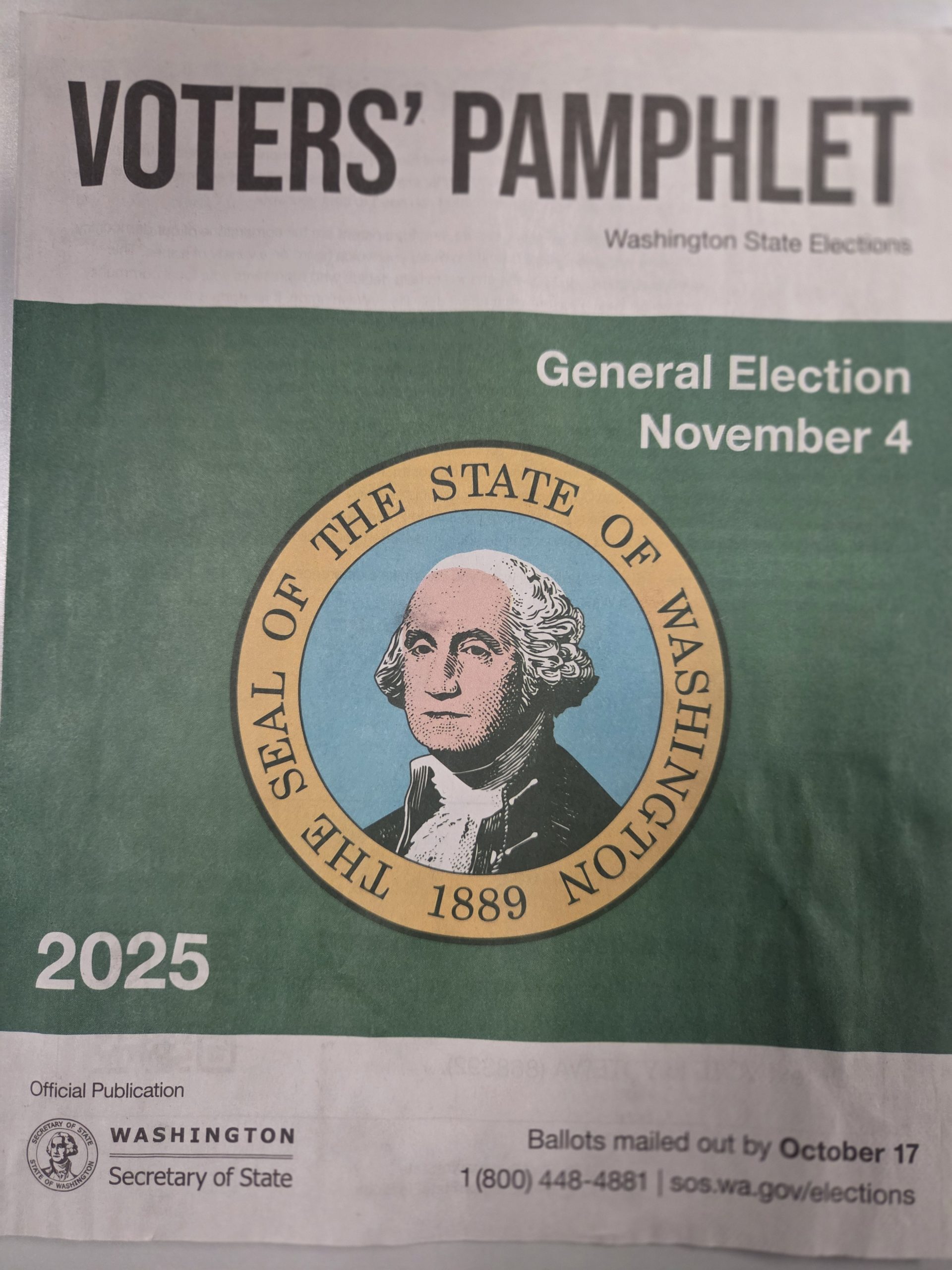
Each year, thousands of voter guides are distributed up to a month before the voting deadline by the Secretary of State and local county elections offices, but often the information inside is skewed, contains little to no indication of policy goals or plans of action or presents topics in misleading or biased ways. It’s important to research not only the candidates, their education and platforms, but also who is producing the voting guide, their funders and their personal stake in presenting these issues to the community.
“It’s always important to get out and stay civically involved as an active member of our democracy,” said ASUWT’s Legislative Liaison Heba Qatrani. “Even when it’s not a presidential election, that doesn’t mean you should stop paying attention. Local and state elections are where the decisions that impact your daily life are made. Voting is how we hold our elected officials accountable and ensure that our issues have a seat at the table.”
In a time when civic engagement and civic advocacy are becoming more front-page news, students hold a significant amount of power. We tend to be involved, educated and centrally located near businesses, communities and local spaces.
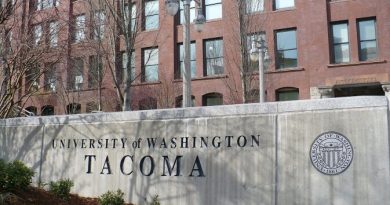
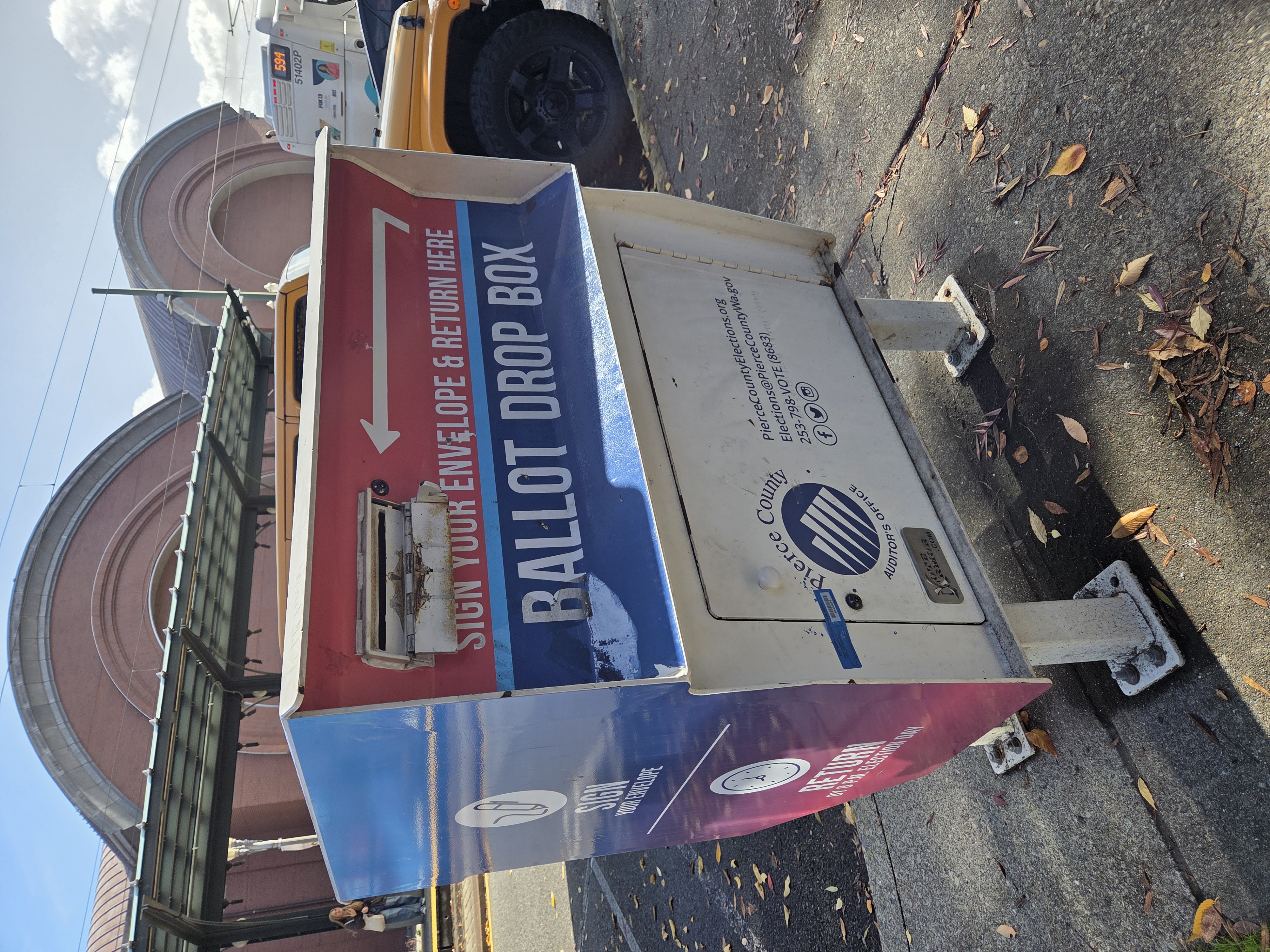
We have ballot boxes and voter registration resources on campus, including the one at UW Tacoma on Pacific Avenue and the Voter Engagement Hub, available in the Center For Student Involvement from 9am to 8pm on election day.
Making the most of voter information sessions, candidate panels and opportunities specifically for students can help shape the future of education. Everything from financial aid amounts to basic needs and advising resources comes through legislative action.
“Having a strong student and youth voter base empowers student advocates who are fighting for our rights and resources,” said Qatrani. “Your support helps protect financial aid, basic needs programs, and access to affordable housing. Make sure to vote in the upcoming general election, hold your leaders accountable, and support the issues that matter most to you.”
Are you registered to vote? Register in person at 2501 S. 35th St, Suite C, Tacoma,?WA, 98409 between 8:30 a.m. and 4:30 p.m. to be eligible to vote in the Nov. 4 election or register online to be eligible for future elections.