Xbox Game Pass price hike ignites gamer backlash and tests Microsoft’s timing
Xbox Game Pass Ultimate jumps from $19.99 to $29.99 a month, sparking debate over whether the subscription still offers the best value in gaming.
By Syed Huzaifa Bin Afzal
Earlier this month, Microsoft announced a major change: the top-tier Game Pass Ultimate will rise from $19.99 to $29.99 per month, a 50% increase.
The new perks do make Ultimate feel like a premium product, but a 50% increase overnight feels heavy-handed.
In an era where inflation and higher living costs already weigh on consumers, this move risks alienating the very players who helped make Game Pass successful. Hardcore gamers who try new releases every month will likely stay, but occasional players may cancel or downgrade.
If Microsoft wants to keep its reputation for player-first innovation, it will need to prove that Game Pass still offers unmatched value through consistent game releases, better service reliability, and clear communication about what subscribers are getting for their money. Otherwise, the increase could erode goodwill and slow subscription growth.
Here’s the context behind that call.
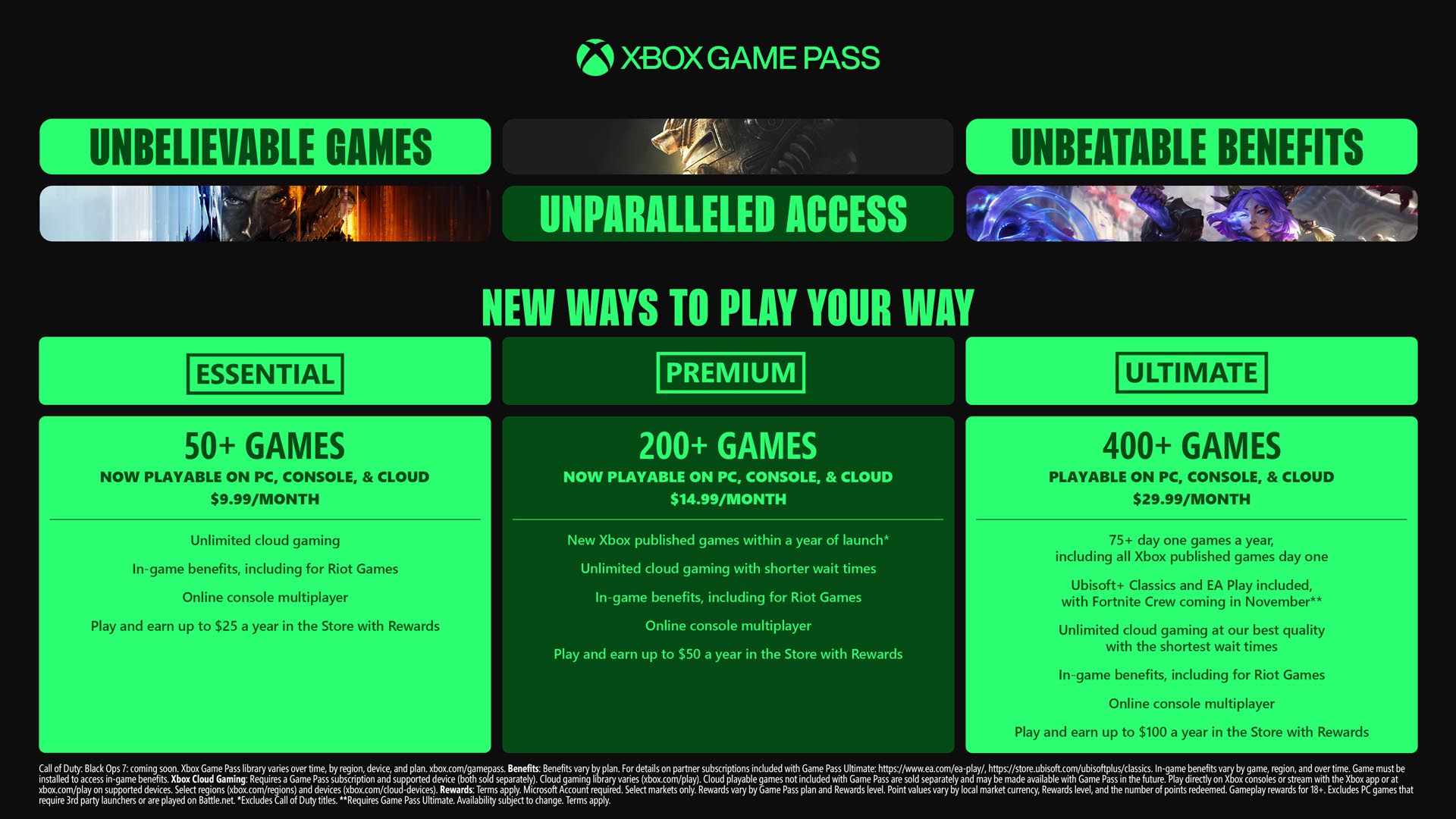
The adjustment is part of a broader restructuring that renames Game Pass Core to “Essential,” Standard to “Premium,” and positions Ultimate as a top-end subscription featuring more day-one releases, higher-quality cloud streaming and new perks, according to Windows Central.
Dustin Blackwell, the director of gaming and platform communications at Microsoft, said “We understand price increases are never fun for anybody, but we’re trying to reinforce by adding more value to these plans as well. It’s something we don’t take lightly, and we’re listening to the feedback of players and the community to try to provide them with more of what they’re asking for.”
Ultimate now includes over 75 day-one releases annually, improved cloud streaming up to 1440p, and integrations like Ubisoft+ Classics and Fortnite Crew, according to The Verge. The lower tiers Essential and Premium also feature expanded game libraries and cloud gaming support, according to Wired.
Reaction has been swift and loud. Many players argue that the 50 percent jump feels excessive, particularly without major new exclusive titles announced alongside it.
“Not only is the price point now too high for the service, but it also offers nothing exclusive,” one Reddit user wrote, according to Reddit.
Former Xbox executives and industry analysts called the move a betrayal, saying Microsoft has undermined what was once “the best deal in gaming”, according to GameSpot. Some reports suggest Microsoft anticipated cancellations but accepted short-term churn to stabilize long-term revenue, according to Windows Central.
Retailers like GameStop have refused to follow the change, continuing to sell Game Pass codes at the old price, according to GamesRadar. Meanwhile, players are stacking prepaid cards to lock in lower rates before they expire, according to TechRadar.
Overall U.S. video game spending reached $58.7 billion in 2024, according to the ESA. But a June 2025 study found that Gen Z spending on games dropped nearly 25% compared to the previous year, driven by inflation, student loans and a cooling job market, according to PC Gamer.
Those trends suggest that while gaming remains a booming industry, younger audiences, a key demographic for Game Pass, are scaling back. A higher subscription fee could discourage casual players and potentially reduce overall engagement with Xbox’s ecosystem.
From Microsoft’s perspective, the price hike makes business sense. Offering day-one access to AAA releases and maintaining cloud infrastructure isn’t cheap. Game Pass has long been described as “Netflix for games,” but sustaining that model under the old pricing would be difficult.
Xbox Game Pass remains a strong service for dedicated players but is no longer the universal “best deal in gaming.” Given the current economic climate, I’d rate the updated Ultimate tier 5 out of 10. The content and quality justify the cost for frequent users, but the price jump arrives at the worst possible time for most gamers.