What ‘Wicked: For Good’ can teach us about identity and belonging at UWT
As “Wicked: For Good” brings Oz back to the screen, its messages may feel timely for a campus shaped by diversity and transformation.
By M.J. Cameron
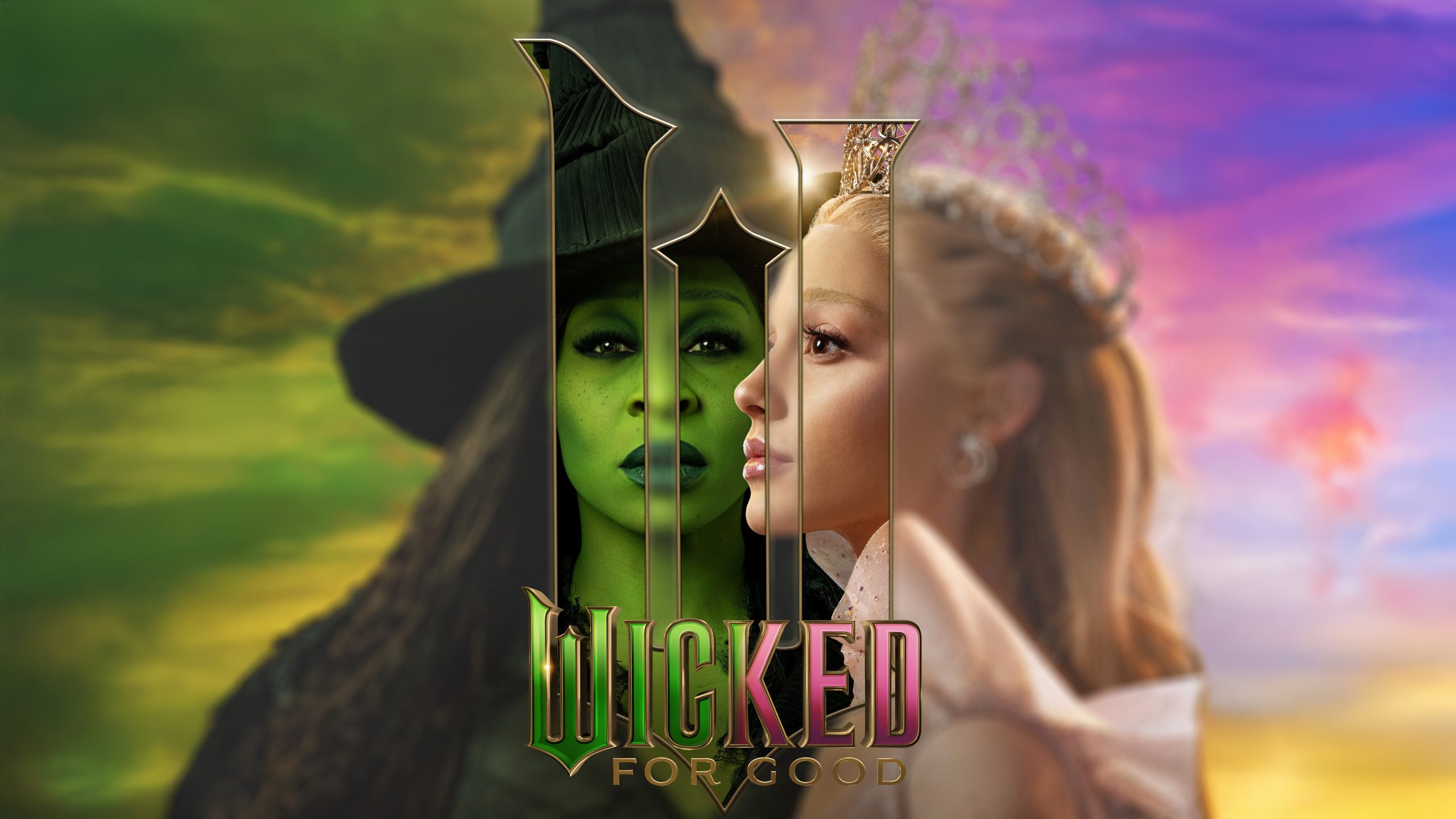
On Nov. 21, “Wicked: For Good” continued the story of Elphaba and Glinda and brought its themes of prejudice, identity, friendship and political propaganda to a wider audience. In my view, these themes feel especially relevant at UWT, a campus shaped by diversity, resilience and social awareness. For those who know the story, the film’s messages can reflect the experiences and challenges many in our community navigate every day.
Elphaba, the Wicked Witch, is a character judged before she has a chance to define herself. She’s ridiculed for her green skin, underestimated by her peers and dismissed by those in authority. The judgement she experienced can mirror what some UWT students experience.
On a campus made up of first-generation students, veterans, international students, transfers and students of color, it’s easy to imagine how viewers might see parallels between Elphaba’s struggles and the complexities students may bring with them. Her story highlights how easy it is to be misunderstood and how difficult it can be to reclaim your own narrative.
“Wicked” also critiques those in power and how propaganda is used to maintain control.
Continuing in “Wicked: For Good,” the Wizard and Madame Morrible used propaganda to portray her as evil after she defied them. That dynamic mirrors how political leaders today shape public perception. The current federal administration has pushed false narratives about undocumented immigrants, framing them as criminals despite evidence to the contrary from the American Immigration Council.
The same tactic has been used against the LGBTQ community. President Donald Trump and his allies have targeted transgender people, attempting to restrict gender-affirming care and roll back inclusive policies in schools and workplaces, according to the ACLU. By portraying transgender people as unsafe or predatory, they create fear to justify discriminatory policies.
As a transgender man in a gay relationship, it’s painful to watch these narratives spread toward marginalized groups. We’re not dangerous; we’re simply trying to live our lives. The way power shapes public opinion in “Wicked” isn’t fantasy; it reflects real-world consequences for communities like mine.
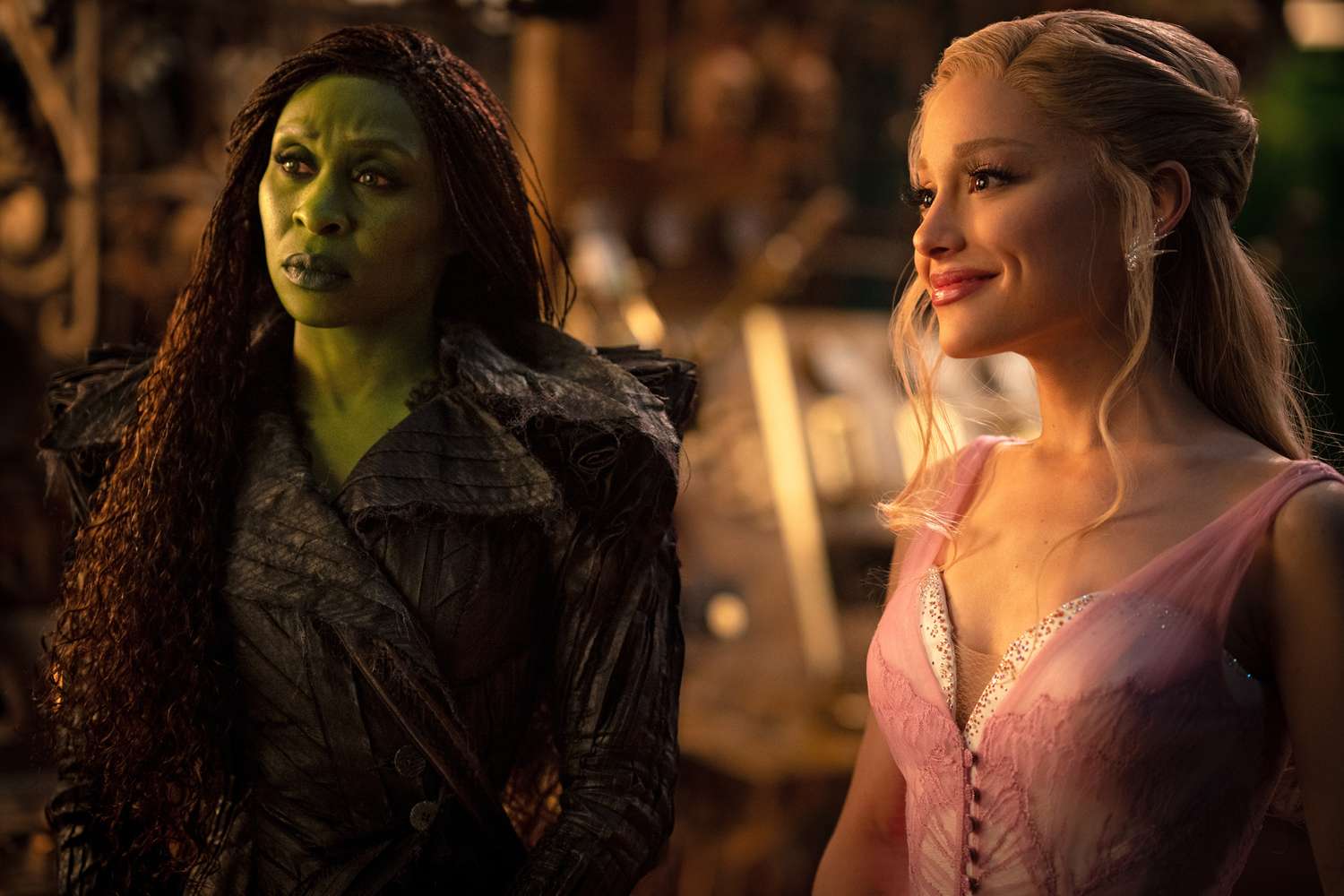
Friendship plays an equally meaningful role. The bond between Elphaba and Glinda shows how people from different backgrounds can challenge assumptions and grow together. In group projects, student clubs and UWT’s collaborative environment, students often form connections that broaden their perspectives in the same way the two witches do.
“Wicked: For Good” can also reflect the pressures young adults face today. Glinda, a woman whose appearance gives her privilege and social acceptance, upholds her status as Glinda the Good. Elphaba is judged for her skin color, something that the Wizard and Morrible exploit to cement her identity as the Wicked Witch.
In an era shaped by social media, students may struggle with how they’re perceived, pressured by constant comparison and judgment. Elphaba’s refusal to mold herself into something socially acceptable is a reminder that authenticity is an act of resistance.
Being white, cisgender and heterosexual is still treated as the default because social structures have normalized it, according to the University of Cologne. “Wicked” shows that people outside that standard aren’t the problem; the systems defining what normal is are. By refusing to change herself to appease others, Elphaba exposes how narrow and unfair those standards are.
Ultimately, “Wicked: For Good” pushes viewers to rethink the labels we may place on one another and the systems that uphold them. That message feels especially timely at UWT, where belonging and identity are at the core of the student’s experience.
The film may be a fantasy, but the questions it raises about power, prejudice and acceptance are real and worth considering long after the credits roll.