
UW Seattle takedown: Embarrassing or inspiring?
Reactions to UW Seattle’s classroom intrudes resurfaces the question: as the world watches, is violence hurting the message?
By Rae Watkins
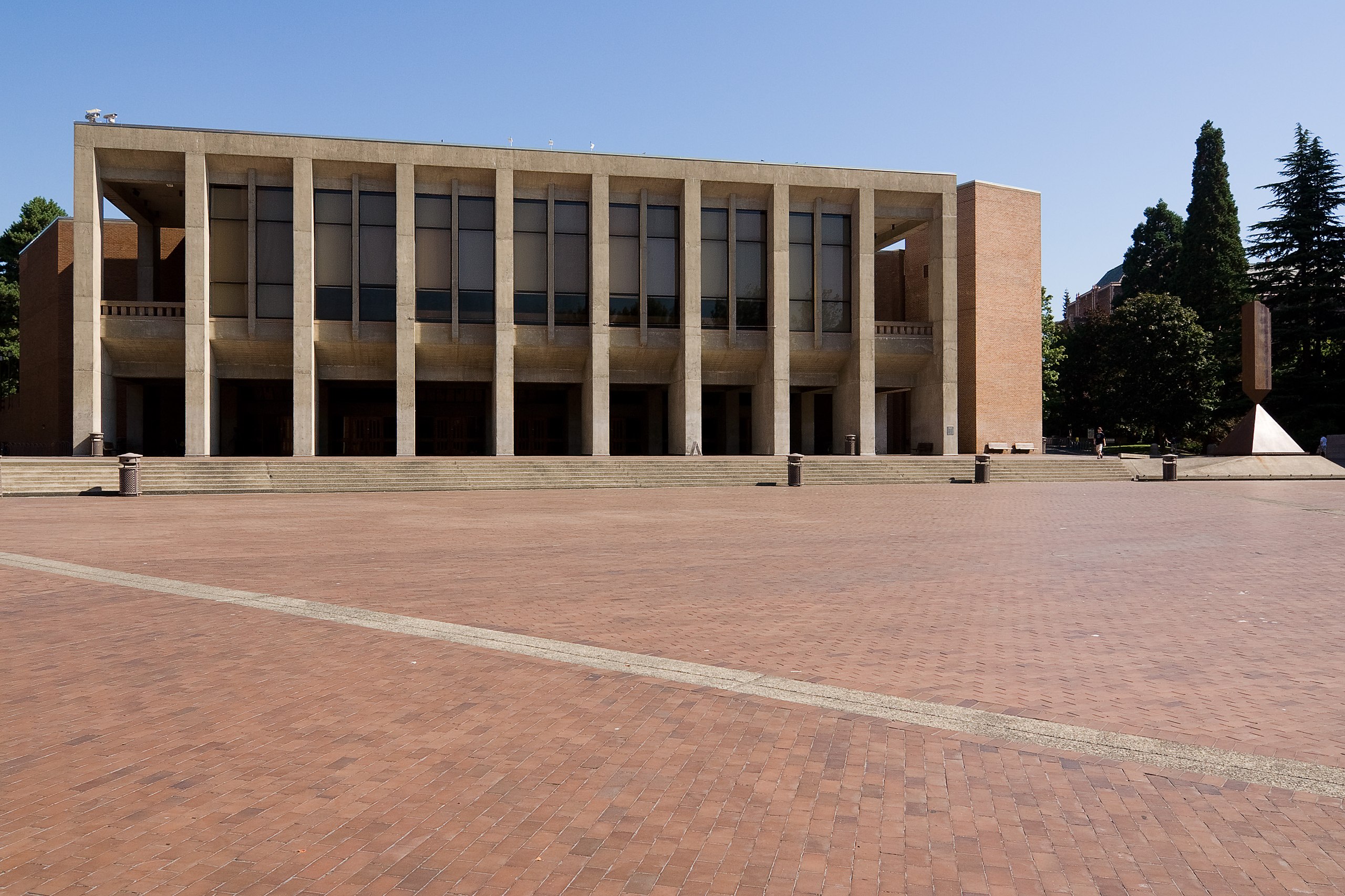
On Oct. 1, a community member burst into a UW Seattle class PSYCH 210: Diversity of Human Sexuality, disrupting with hateful comments and what witnesses reported to be Nazi salutes. In a climate as politically charged as this, an already unusual interruption was addressed with what can only be described as enthusiasm.
Associate professor Dr. Nicole McNichols and students participated in chasing the intruder out of the classroom and into the UW Seattle quad. While the reaction was relatively nonviolent, footage from the incident shows a student pulling the intruder’s hair, before another intercedes.
As public opinions in favor and against this behavior pour in, we are faced with the question of whether the resistance these students and faculty displayed were really statements of inspiring activism, or if they reflect embarrassing ammunition for an argument that college students are too volatile to be taken seriously on social justice issues.
Protesting is closely tied to student life. As hotbeds of new ideas and critical thinking, college campuses often see student advocacy, but in the past couple of years, student protests have been in the spotlight.
Movements in recent social discourse from Black Lives Matter to Free Palestine have been supported and sometimes driven by student involvement. As such, students involved in these movements find themselves in the spotlight.
Most student protests have historically begun as peaceful, relying on leverage and messaging to influence administrations and the public toward a common goal, and rarely escalating without aggressive actions taken by law enforcement bodies.
But when students participate in acts of violence, even well-meaning, can we continue to support student protesting?
An article from Seattle Times reports that a student stepped forward to pull the intruder’s hair and once he had been removed from the classroom, another pepper sprayed the individual. This fact has already been seized as a reason to condemn student activism and the actions of this campus.
But violence isn’t the norm and doesn’t define UW campuses or students. The student who intervened is far more representative of the values and core mission of students: to learn, grow, and support each other through similar stages.
Violence of any kind dismantles the argument of the side perpetrating the violence. If violence is against the oppressor, in whatever situation, often that violence will be spun into propaganda promoting the arguments justifying the system of oppression in place.
When students protest, or even remove intruders from classrooms, it remains important to keep in mind that in the same way the world is watching our administrators respond or not respond to our calls for social justice, particularly around the issue of divestment and the world is also watching how students at UW campuses are acting in our own lives.
This is not an accurate representation of who we are as students, even if it does embody how some of us may be feeling.
While the actions of a small percentage of students may have brought into question the idea of students as valid protestors and enactors of social activism, the actions taken by the students and Professor McNichols cannot go un-commended. They stood up for themselves, their classmates and their fellow UW members across the tri-campus system.
As times become increasingly unstable in many areas, communities look to places of higher education, and students in particular, to lead the way. If we want to be taken seriously as activists following the UW event, we must take special care to protest with compassion for each other, nonviolence and no tolerance for intolerance.