
Senior year is 90% burnout, 10% pretending we have a plan
None of us know exactly how to prepare for our futures, but it’s time to recognize our collective struggle in an effort to feel less alone.
By Zecret Truex
It starts small, with missed assignments, unopened Canvas notifications and a creeping exhaustion that feels more like background noise than a red flag.
For four years, academic anxiety has followed you around like a dark cloud, whispering that falling behind is just part of the process.
You learn to rationalize it. A late discussion post still counts if it comes from the heart, right? This eventually spirals into an evil coping mechanism, a vicious cycle and by senior year it’s not just stress, it’s academic burnout.
You eventually look at your calendar and realize you have five weeks until graduation, but instead of excitement all you feel is static and dread. This is followed by a sinking suspicion that maybe you’ve been sprinting toward a finish line that leads straight into an anxiety pit.
Welcome to senior year.
Senior burnout is not just academic fatigue. It’s the emotional hangover that hits after years of juggling deadlines, part-time jobs, sleep-deprivation and the constant buzz of “you should be doing more.” By the final year, students aren’t just tired, they’re disillusioned, disconnected and deeply afraid of what comes next. Frankly it’s something we don’t talk about enough.
Unfortunately, the college-to-career pipeline looks more like a confusing back alley filled with conflicting advice, unpaid internships and the word “networking” haunting us like a ghost.
As seniors, we’re expected to finish strong, make major life decisions and secure a well-paying job, all while emotionally running on fumes.
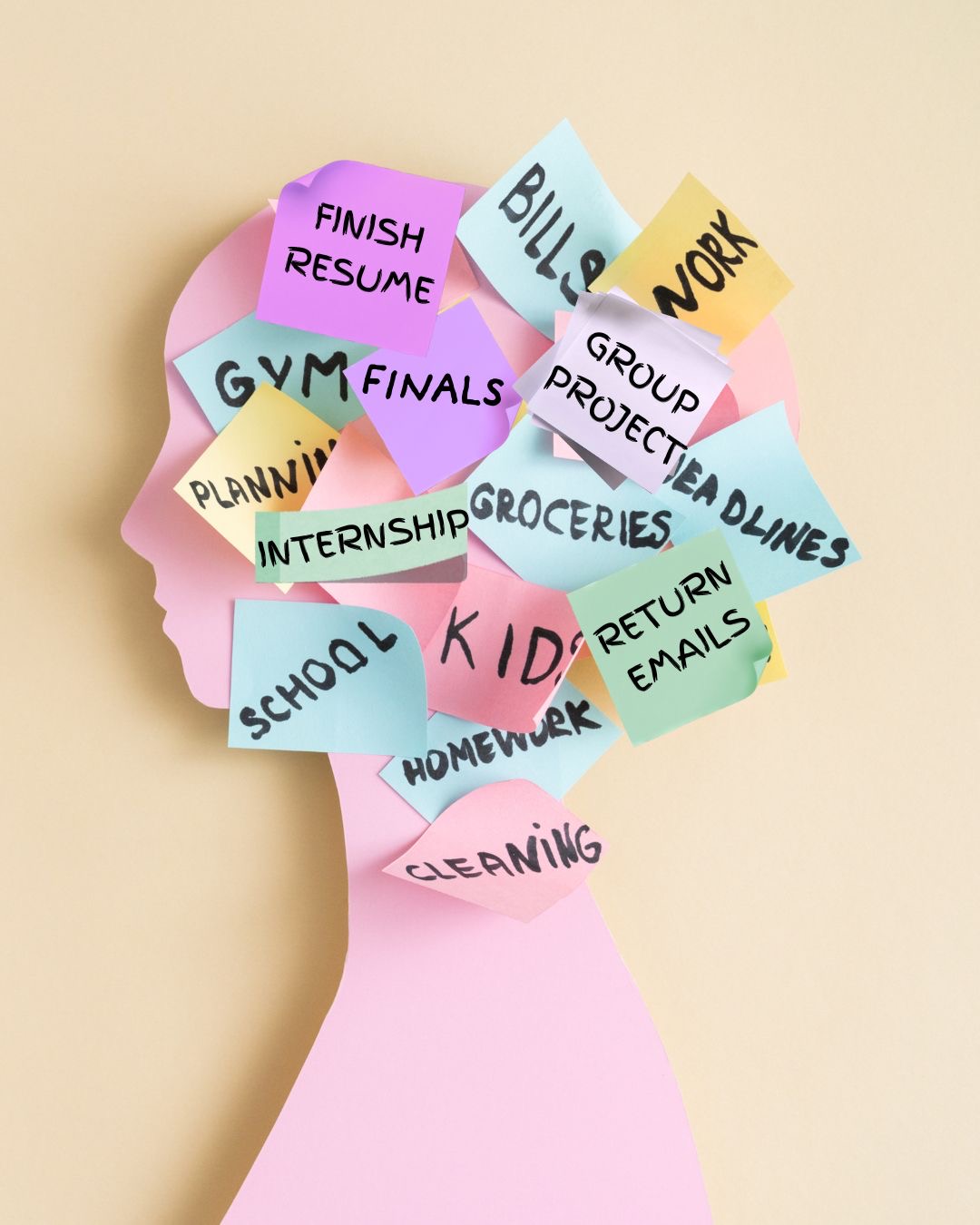
The burnout comes from the slow unraveling of the student identity we’ve been clinging to for years. College gives structure and purpose, even a clear sense of what’s expected of us. A student is to attend class, write the paper, take the exam, participate in the projects and repeat. But as graduation looms, the instructions begin to disappear.
Suddenly you’re supposed to know how to build a life, a career position and a LinkedIn profile that doesn’t scream “I’m just trying my best.”
There’s a pressure to have answers to the question of what your post-graduation plans are. If you don’t have those answers the shame creeps in and you start comparing yourself to peers who seem to have it together. The classmate with a job offer at Amazon, the one applying to grad school, the one starting a podcast.
You wonder if you somehow missed a memo or if you’ve just been faking adulthood while everyone else was actually preparing for it. But here’s the truth, most seniors are faking it.
They’re just quiet about it and we’re not imagining the weight the other person is carrying as they finish their degree.
A survey published by Higher Ed Dive revealed that in 2024, over 4 out of 5 college seniors reported burnout during their undergraduate experience. The study also found that academic stress paired with career fear was a significant predictor of depressive symptoms among college students, contributing to anxiety and a sense of hopelessness.
In other words, the college grind isn’t just exhausting, it’s a mental health crisis in slow motion.
Career fear is the shadow companion of burnout. It whispers questions as we study, asking us if we picked the wrong major, let alone if we will ever find a job that makes us feel anything but tired. We are told to follow our passion, but also to be realistic. We’re encouraged to dream big, while simultaneously being reminded that rent is due and the job market is competitive, which is code for soul-crushing.
Some of us are first-generation students, navigating a world of resumes and networking with no map. Some of us are neurodivergent or live with disabilities, wondering if the workplace will make space for us. Some carry student debt like a weighted blanket made of dread. Nearly all of us are terrified that our college years, these years we’ve paid dearly for, with money, sweat and tears, might not deliver the future we were promised.
What do we do with the quietly spiraling realization that we’re supposed to be entering the real world, but we’re not sure we’re ready?
First, we must name the problem and stop pretending it’s just laziness or a lack of motivation. Senior burnout is emotional exhaustion, exacerbated by high expectations and a looming identity shift. It is completely valid, it’s normal and it’s survivable.
Second, we must reject the myth that everyone else has it figured out. Comparison is the fastest way to turn burnout into paralysis. That classmate who just posted their job offer on Instagram? They’re probably scared, too, but they just know how to fake it.
Third, we remind ourselves that careers aren’t one-shot decisions. Your first job out of college is not your forever job. It’s not even a job that defines your true adulthood, it’s just the next chapter in your book. You are allowed to explore, to pivot, to stumble and to rest. No one builds a dream life in a single quarter.

Most importantly, we support each other. We stop asking one another what comes next as if it’s a test. We check in with each other and share resources or job openings with our senior friends. We admit when we’re lost because burnout thrives in isolation and shrinks in community.
Although UWT student Jessica Choi feels overwhelmed at times, building resilience has helped get her through her heavy course load.
“Don’t wait for things to get out of hand and block your progress. Seek help when you need it. Consistency is more important than perfection,” Choi said.
Students can also seek support from professionals on campus as the UW Career & Internship Center located in the MGH building has walk-in appointments available for students needing assistance in navigating career fear.
In addition, emotional support is available at the Psychological & Wellness Services, located in the MAT building, which provides free, confidential mental health counseling and related services to UWT students.
To every senior who feels like they’re crawling to the finish line, you’re not alone and it’s okay if you’re not excited yet for your future. It’s okay if your only post-graduation plan is to sleep for twelve hours straight.
It’s okay if you’re terrified of the future. You don’t have to be fearless to keep moving forward.
You’ve survived midterms, finals, group projects from Hell and at least one emotionally jarring Canvas grade notification at 2 a.m. You’ve learned, grown and adapted throughout your college experience and that resilience? That’s your launchpad for your future career.
Senior burnout is real. Acknowledge your exhaustion, take a breath and finish your papers. Mourn the loss of your student-hood if you need to and when someone asks what your plan is after graduation just say, first survive, then thrive.