Tacoma celebrates Lunar New Year
UW Tacoma and the city are celebrating Lunar New Year and the Asian American community later this month with three major events.
By M.J. Cameron
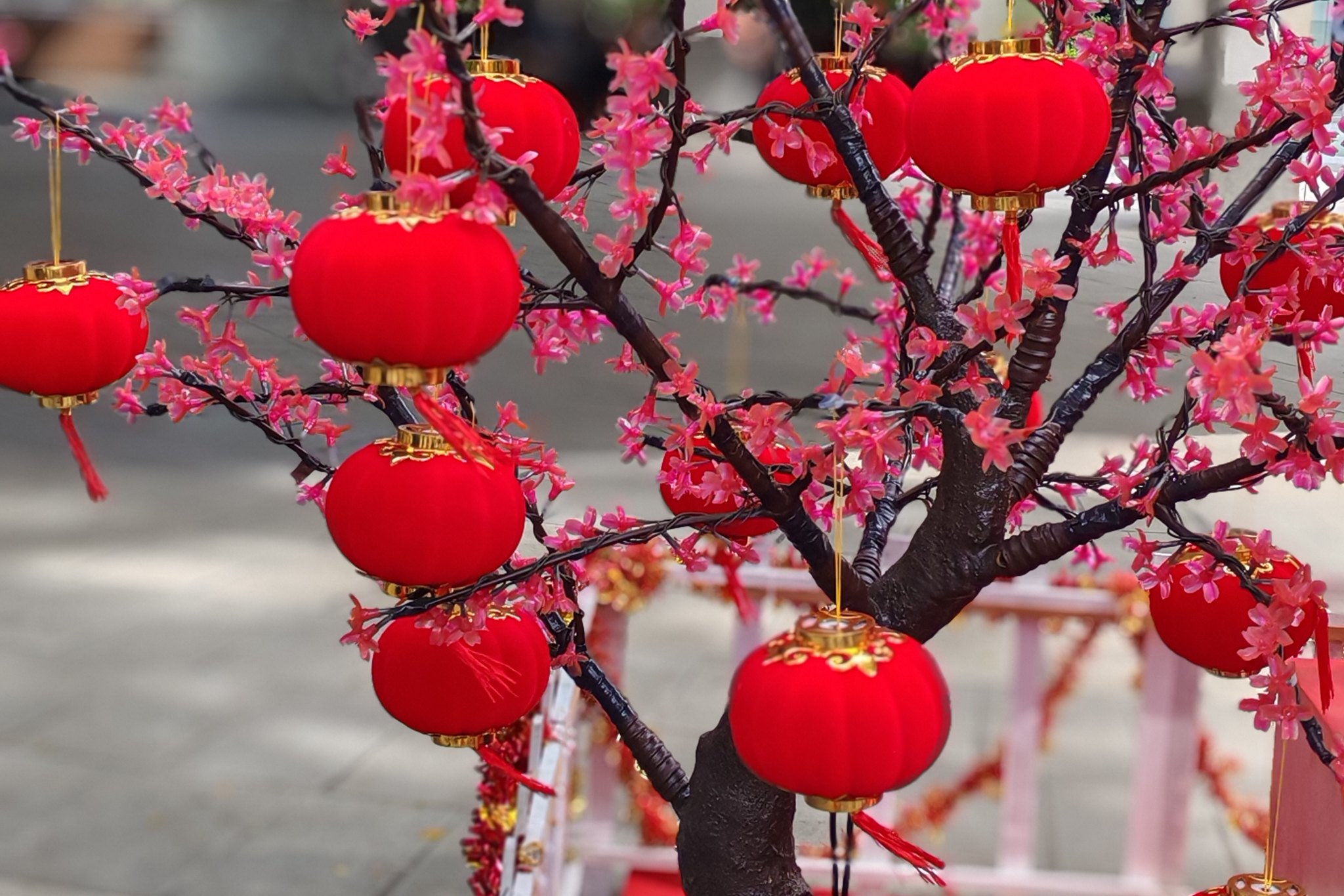
As red lanterns go up and drumbeats echo through Tacoma, the city and UW Tacoma are gearing up for a series of Lunar New Year celebrations blending art, performance and community. From live cultural presentations on campus to food and lion dances in the Lincoln District and beyond, the festivities promise a vibrant start to the Year of the Horse.
Lunar New Year is a traditional holiday that originated in China more than 3,000 years ago and remains a major cultural celebration for many Asian and Asian American communities today.
Cassie Tran, a senior international student from Vietnam at UW Tacoma, said Lunar New Year, known as T?t in Vietnamese culture, is a time for family, reflection and new beginnings.
“We usually clean the house before T?t to reset for the new year, decorate with flowers like peach blossoms or traditional apricot flowers, and make bánh ch?ng,” Tran said. “Families gather to honor ancestors, exchange red envelopes, or lì xì, and wish each other good health and fortune.”
Tran said she has not yet attended Lunar New Year events on campus or in Tacoma, largely due to scheduling conflicts and a lack of visibility.
“I would be interested in attending in the future,” Tran said. “Especially if the events were more visible or integrated into campus life.”
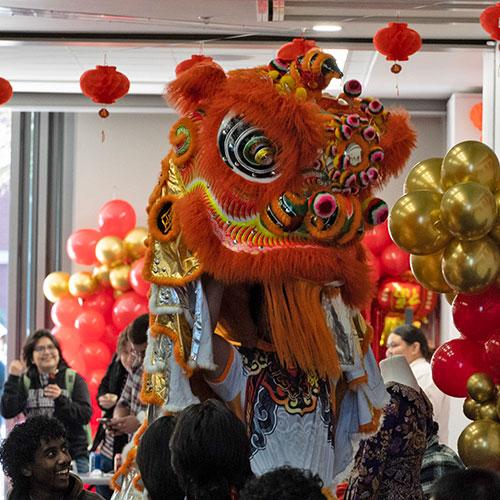
On Feb. 17 from 11 a.m. to 2 p.m., the Center for Equity and Inclusion (CEI) and the Asian American Pacific Islander (AAPI) THRIVE will host a Lunar New Year celebration in William Philip Hall. The event will feature Mak Fai lion dancers, panel discussions with Dr. Andrew Cho and Dr. Kaitlin Banfill and additional cultural programming.
Gabrielle Quintinita, a senior at UW Tacoma and a Wayfinder mentor with AAPI THRIVE, helped organize the event alongside lead coordinator Dejan Perez. Quintinita said planning began during the autumn quarter.
One of the main goals when planning the event was to share a holiday that has been for many years been unrepresented widely outside of Asian cultures and to highlight the diverse cultures in a singular event.
“UW Tacoma and Tacoma in general has a large AAPI demographic yet are not often represented.” Quintinita said. “Having this event in a university setting further supports UW Tacoma’s mission of being diverse and showing multiple communities of different backgrounds that they do belong here.”
This marks the university’s third year hosting a Lunar New Year celebration. Each year brings a new planning committee, giving the event a fresh perspective, Quintinita said.
“One of my favorite things about UW Tacoma’s cultural events is seeing students from different backgrounds enjoying themselves together,” she said. “It’s great to see people immerse themselves in other cultures and gain a better understanding of one another.”
The city of Tacoma will also host major Lunar New Year celebrations later this month.
On Feb. 22, the Lincoln District will hold a community celebration from 11 a.m. to 3 p.m., featuring lion dancers, firecrackers, food, shopping and live music. Lion dancers will perform throughout the district at local businesses, and the Tacoma Sunday Market will transform the streets into an outdoor marketplace.
On Feb. 28, the Asian Pacific Cultural Center (APCC) will host its annual Lunar New Year celebration at the Tacoma Dome. The event will feature more than 20 performances, cultural demonstrations, martial arts exhibitions, art displays and authentic cuisine. Performers will represent countries including Cambodia, the Philippines, Korea, India and Samoa.
As Lunar New Year celebrations continue across campus and throughout Tacoma, organizers hope increased visibility will encourage broader participation and cultural understanding. From university-hosted events to large-scale community festivals, these celebrations offer opportunities for students and residents alike to engage with traditions that emphasize renewal, family and shared cultural heritage.